Riyadh’s road to Expo 2030, together for a better tomorrow
There is very little time left to find out which city will host the next World Expo in 2030, one of the biggest international events on our planet, which is held every five years to raise awareness of global challenges and provide a platform to find solutions to solve them.
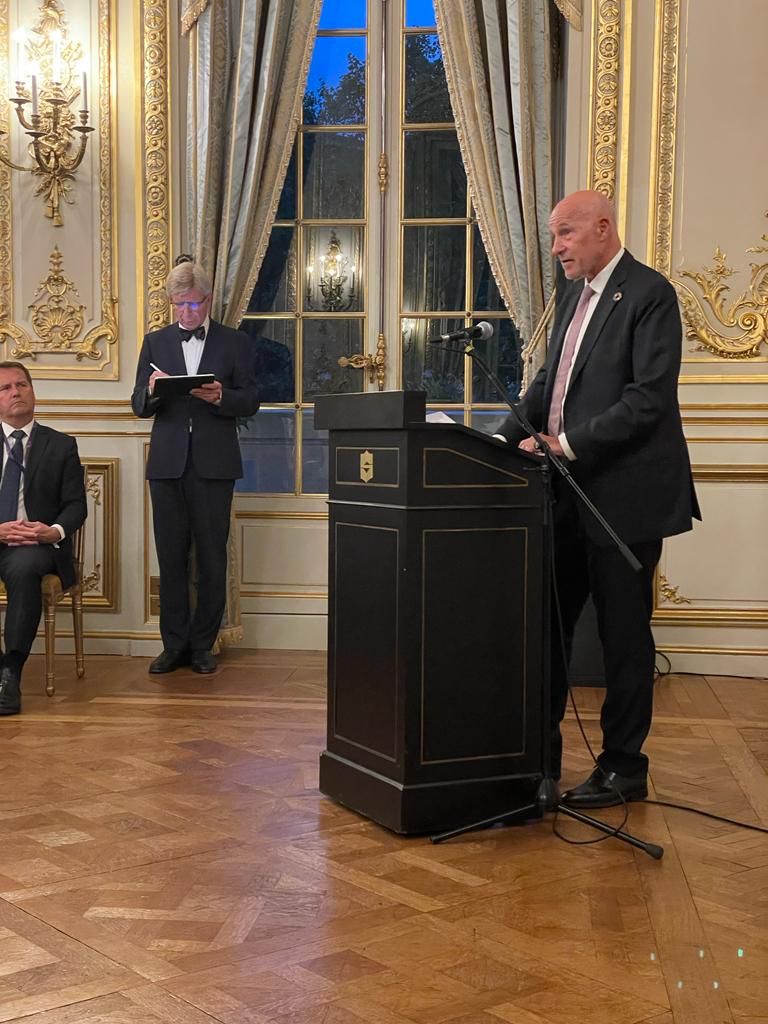
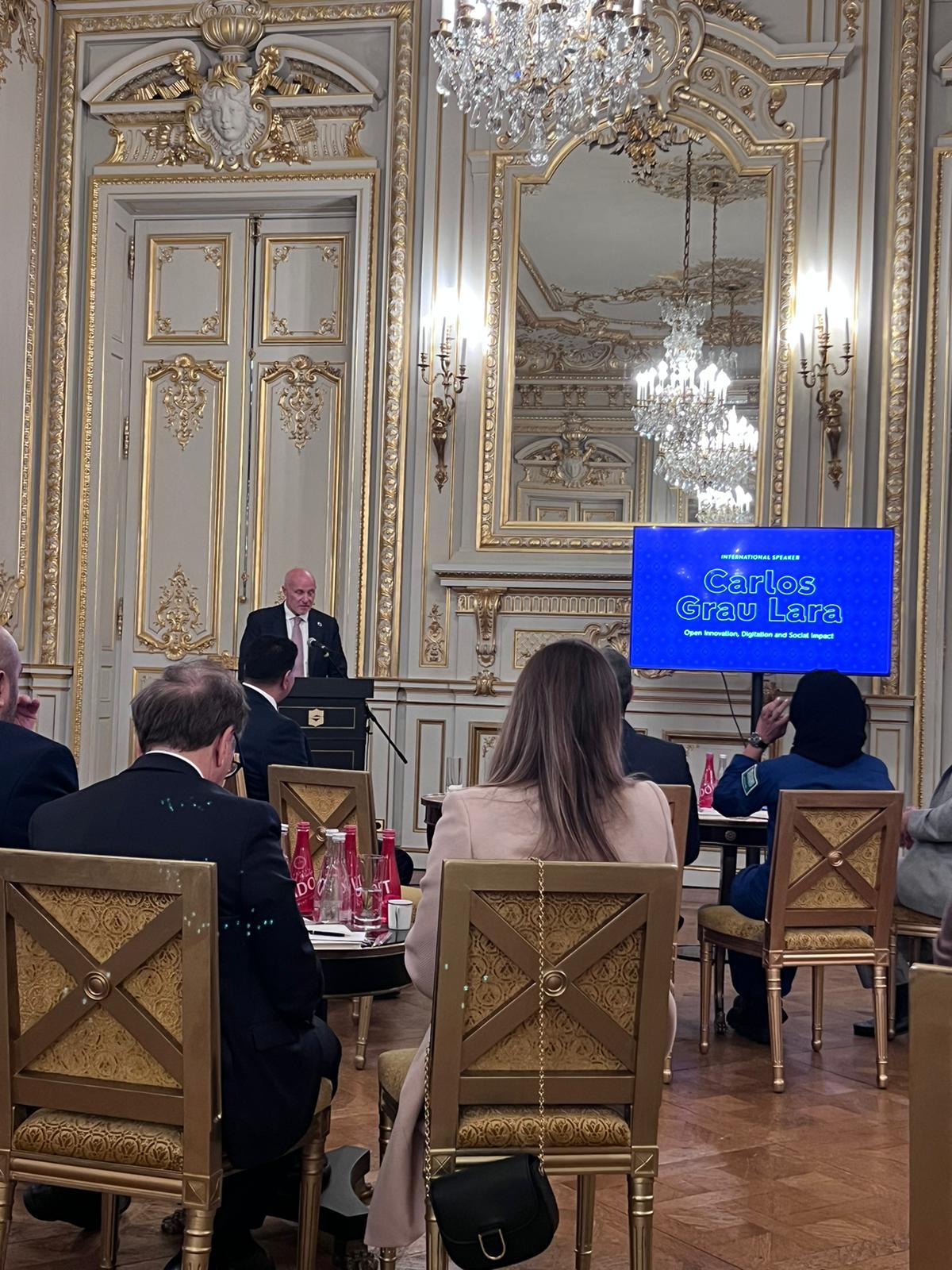
Last October 14th, within the framework of Saudi Arabia’s bid to host the event in 2030, I was able to participate in Paris in a meeting organised by the Royal Commission of the Riyadh city.
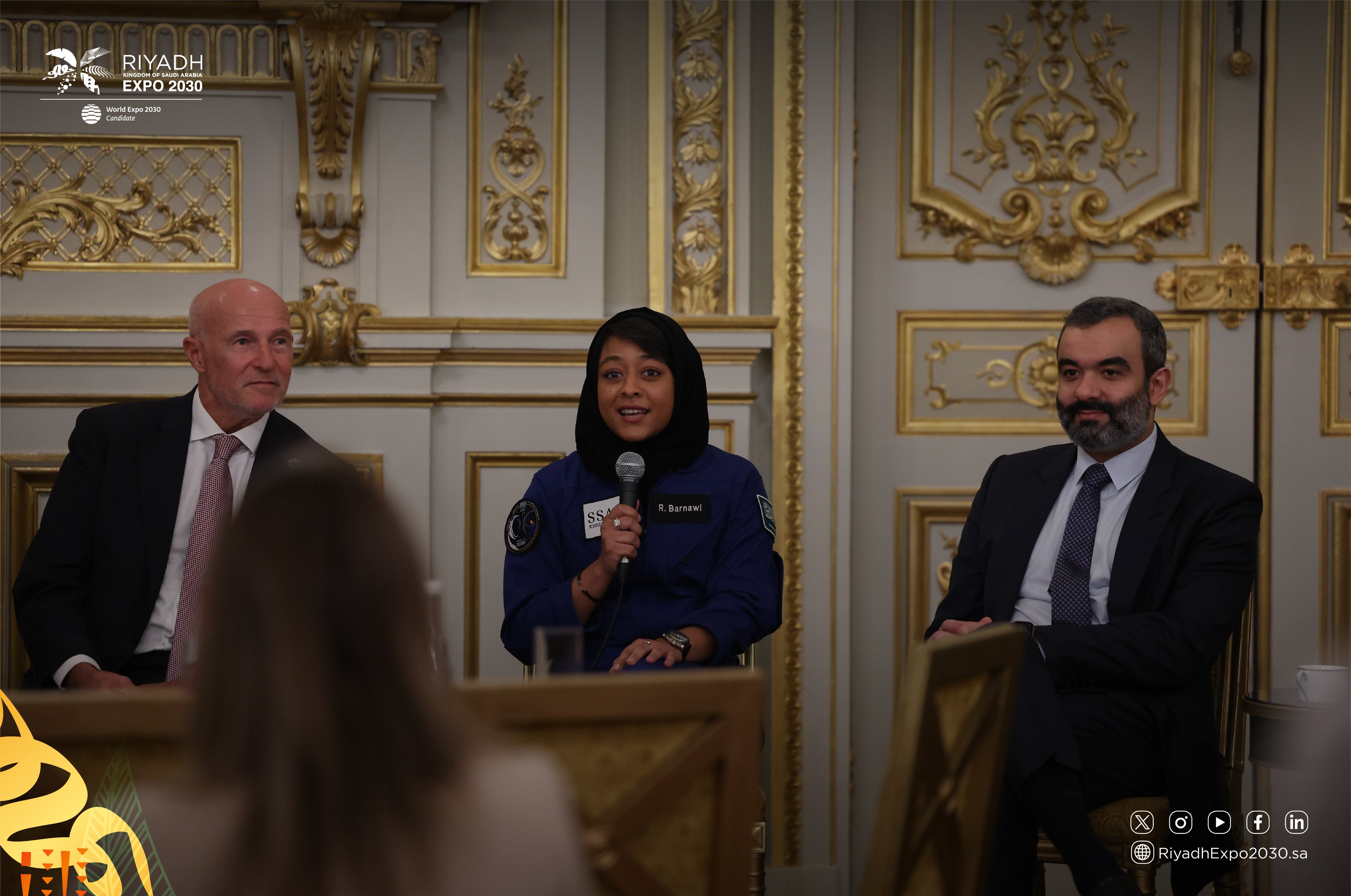
I would like to thank the team of the Royal Commission of the City of Riyadh for the opportunity to participate in this meeting with HE (4) Abdullah Alswaha | LinkedIn Minister of Communications and Information Technology; Dr. (4) Bernard Ghanem | LinkedIn , Professor of Electrical and Computer Engineering at KAUST and (4) Rayyanah Barnawi | LinkedIn , the astronaut who earlier this year became the first Arab and Saudi woman to travel to space.
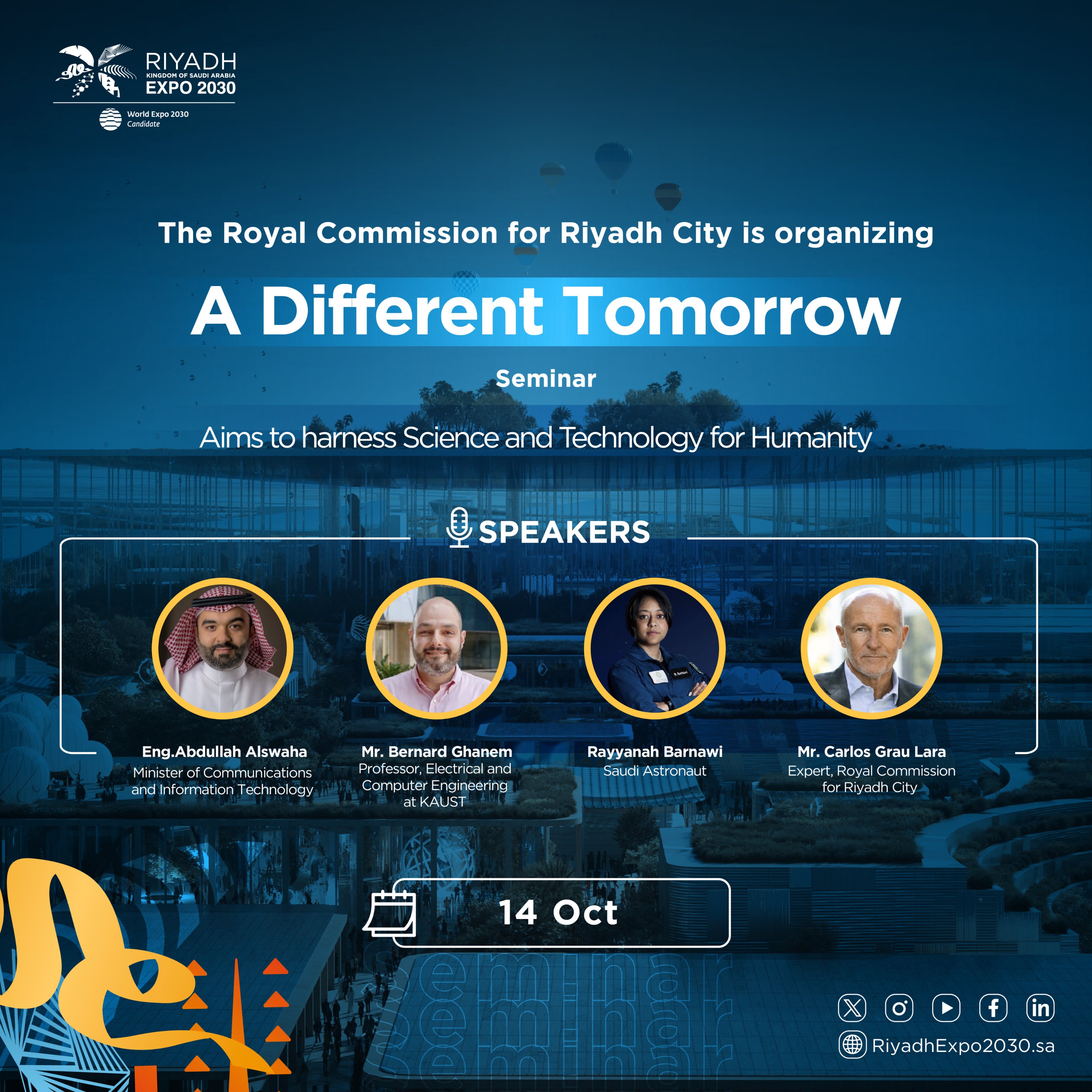
I extend my heartfelt gratitude to Mr Abdulaziz Alghannam, RCRC Technical Director of (4) Riyadh Expo 2030: Resumen | LinkedIn , and his exceptional team for the tireless efforts and dedication in orchestrating the seminar. The contributions of (4) Ghadeer AlTassan , PMP , C-SDE | LinkedIn , Ghida Alshibl, (4) Bandar K. ALSuhaim | LinkedIn, Jack Dadswell and every team member, have been invaluable in shaping this event.
Was a great opportunity to meet very interesting people as (4) Mohammed Altamimi | LinkedIn, (4) Ralf Baron | LinkedIn and entrepreneurs as (4) Zied Haj-Yahia | LinkedIn.
The aim of the meeting was to share the importance of the central theme that articulates Riyadh’s proposal: ‘The era of change: together for a better tomorrow’ fully aligned with the goals set by Saudi Vision 2030 and the United Nations Sustainable Development Goals (SDGs).
We must remember that Riyadh is a dynamic, modern, highly connected and technologically advanced metropolis. An economic, creative and cultural powerhouse that is expanding at a spectacular pace. A futuristic city conceived around an ancient wadi that embodies both the «oasis» and «garden» origins of Riyadh and the vision of a country that aspires to pioneer a sustainable future for cities and their communities. The perfect setting to host a global event.
Within the meeting around «A Different Tomorrow» I had the opportunity to talk about the importance of combining science and technology for humanity in line with the Saudi National Transformation Programme. This combination not only helps us to better understand our world, but also offers us new ways for creation and innovation.
As technology advances, there is a clear risk that questions about what is right for human beings could be lost at some point in this race for innovation. This is where humanity can and must step in to provide guidance. It is important to remember that technology is built to help humanity and it is up to all of us to analyse and decide how technology should be used to improve people lives. And we must do so by creating systems and structures that respond to the ethical issues arising from the new technological environment.
In 2019, 54.8% of households worldwide had access to the internet, up from 53.1% in 2018, according to data from the International Telecommunication Agency (ITU). Although the internet has existed for decades, the digital divide remains as complex problem that needs practical solutions.
Many groups are particularly exposed to the effects of the digital divide, exacerbated and made more evident by the recent pandemic crisis we have recently experienced, exponentially accelerating the need for digital transformation with appropriate strategies that address the changing needs of customers, employees and suppliers. The global number of internet-connected devices is expected to reach 109 billion by 2030, up from 50 billion in 2020, but it is unclear how this will be evenly distributed.
Digital inclusion and the efforts to leave no one behind are high on the Saudi Arabian government’s agenda and are part of the goals of Saudi Vision 2030. Thus, the third pillar of the vision – one ambitious nation – refers directly to the benefits and needs of digital transformation and the need for digital inclusion of all Saudi citizens and residents, with a special focus on vulnerable groups.
In this context, we must remember that science and technology are drivers of innovation and change that generate enormous opportunities in our society. Looking to the four technological megatrends that, according to Gartner Group, are shaping our time: mobility, social networks, cloud computing and data with artificial intelligence, the last one, and specifically generative artificial intelligence are impacting and driving a major transformation in multiple contexts, use cases, industry sectors, and globally to our society.
The last 5G telecommunications services are also contributing to this acceleration of innovation, providing high bandwidths that facilitate virtual and augmented reality applications, reducing energy consumption and providing fast response times, that contribute to new scenarios for the coexistence of robots, autonomous vehicles and other devices with high security for all of us.
Major international events bring to the table great opportunities to accelerate innovation and transform and develop territories.
This has been the situation in Barcelona during the last few years, where the Mobile World Congress, MWC as is called by the GSMA, has become an accelerator of innovation for the economy and the society. On top of the economic impact of the event, which in 2019 generated in one week more than €470M of economic activity and more than 13,000 temporary jobs, the Mobile World Capital Barcelona Foundation, which I have had the privilege to lead during the last 5 years (between 2017 and 2022), has been a role model of public-private partnership leaving a clear and visible legacy, contributing to position the city as the world capital for mobile technologies.
A clear economic impact, of course, but also a visible social legacy that has contributed to improve people´s lives. Legacy that we´ve measured with clear KPIs with focus in four pillars.
Starting by improving the science and technology transfer from research and development to generate new companies. During the last 5 years, we´ve jumped in the city from around 600 startups to more than 1,900 within the Barcelona ecosystem, growing from around €350M of investments and capital raises to more than €1,500M, positioning Barcelona in the ranking to the top 4 largest European cities in terms of investments in the startup ecosystem.
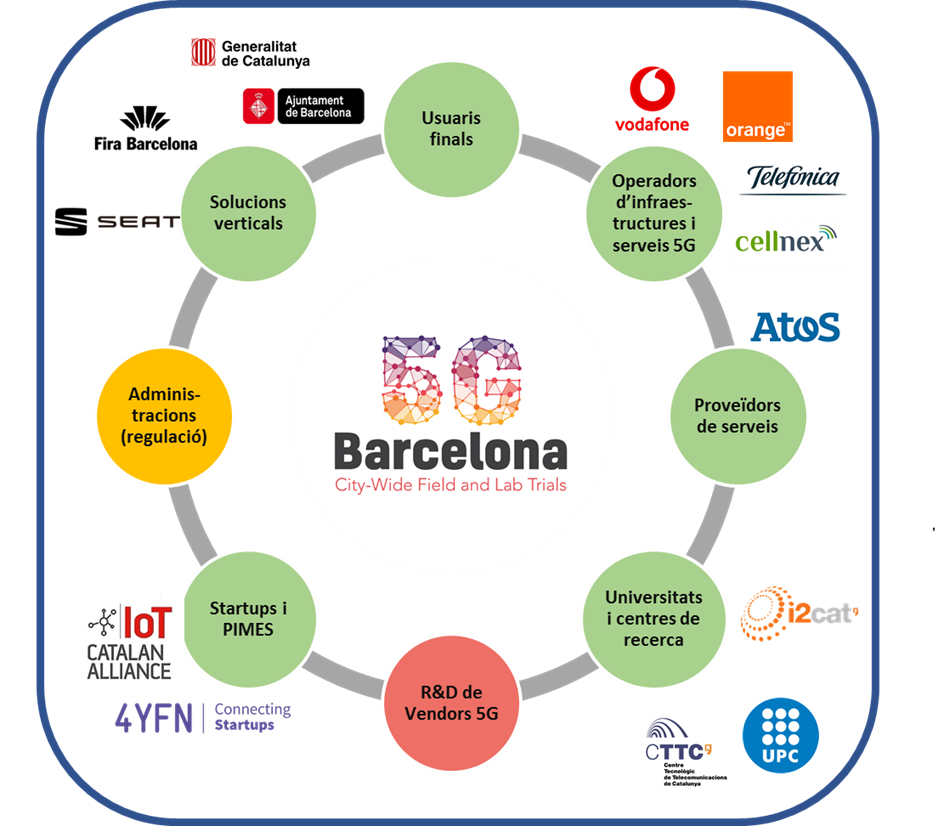
Moving forwards also as second pillar on technology, building in the city an advanced living lab for new use cases of 5G telecommunications services, being pioneers of tele-mentoring of remote surgeons for surgery interventions with 5G, and also in the deployment of holograms to generate new and rich digital experiences.
Developing as third pillar a major alliance to promote and develop digital talent, reducing the gap between the demand for digital talent needed by the ecosystem, that generates around 30,000 new jobs per year, and the offer of talent from our universities, vocational training centres and new code academies. This has been a critical success factor for international corporations to position their digital innovation hubs in Barcelona, having access to a great environment and to the talent they need, which is without any doubt their main asset. Schneider, Pepsico, Bayer, Zurich, Novartis, Nestlé and a large list of more than 100 corporations have built during the last decade their digital development and innovation hubs in Barcelona.
And, finally, addressing the challenges of the digital emergency, through initiatives of digital inclusion, helping more than 70,000 citizens every year to improve their digital skills.
The pandemic has given us more visibility than ever to the reality of the digital divide, because part of our population, between 15% and 40% depending on the territories of our planet, does not have basic digital skills, due to economic challenges, lack of connectivity, lack of devices or lack of training, that affects fundamental rights and access to critical services, as online education, telecare services or mobility.
Seems unbelievable in the 21st century but many of the students at public schools have not been able to follow their classes, when we have been forced to remain at home. And many people over-65s in Europe has missed flights during the pandemic, because they were not familiar to download their epidemiological card and the QR code required from the immigration authorities of the destination countries of their flights.
As a society, we must leverage the opportunities of science and technology, but always ensuring that with all these technological advances we don´t leave any one behind. To solve this digital emergency, we must address digital inclusion, ensuring that all, absolutely all our citizens, have access to basic digital skills.
And finally, during the last two years, I have had the privilege to collaborate as senior advisor of (4) Metyis: Mi empresa | LinkedIn consulting firm, contributing to the designing of the legacy plan for the Expo 2030 for Riyadh city, with a clear focus on the strategy required for the day after and the day before plans for this event.
I strongly believe that Riyadh has an exceptional opportunity of transformation that would be certainly accelerated by Expo 2030.
A young population with high digital skills, a dynamic ecosystem with amazing projects, as Neom, a worldwide success story of a Smart City, and large leading companies, such Aramco.
Riyadh has all the conditions to carry out a great transformation, within the Saudi Vision 2030 fully aligned with Sustainable Development Goals. A transformation that will develop more investment in research and development, accelerating science and technology transfer to increase the generation of new companies, providing also training opportunities in digital skills to all citizens, leaving no one behind, and promoting a strong collaboration between all the stakeholders, public and private, government, universities, large corporations, startups, investors and globally all the society.
I am fully convinced that all of them are already aware that science and technology, with a humanistic approach that puts people at the center will be a key pillar to develop a global reference worldwide in Riyadh of a model for a better society.
On top of the opportunity that Expo 2030 represents for Riyadh, this event would bring amazing opportunities to all the countries that will attend, generating a “great momentum” for the ecosystem around the Expo, bringing knowledge sharing and business opportunities between the different stakeholders (government elites, executives from corporations, scientist, investors, startups and the civil society), all of them taking advantage of this event to drive new initiatives aligned with the sustainable development goals, for a better tomorrow.
The vote for World Expo 2030 is almost upon us.
On 28 November 2023 after the 173rd General Assembly of the BIE, we will finally be able to name the global event that will help us to change things towards a more conscious and sustainable future.





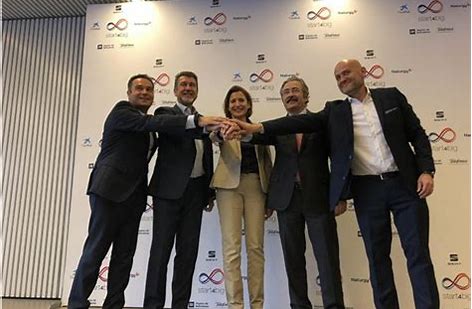 colaborativa compartiendo inversiones y gastos en este campo puede dar interesantes resultados. Eso es lo que promueven alianzas como Star4Big,
  hostelería, la restauración y las cafeterías (Horeca) es el del laboratorio de proyectos y pilotos con emprendedores, TheLab, para aplicaciones de “Horeca conectada” que promueve el Grupo Estrella Galicia con el apoyo de la consultora de innovación Valhalla, liderada por Salvador Medina, con el que tuve el placer de trabajar en la etapa del impulso inicial de Internet desde Sun Microsystems. Tras el éxito en España y Brasil con el programa de aceleración de Estrella Galicia The Hop,






 working for my own dreams